
In 1986, an area of southern Ungava Bay (Nunavik, Québec) closed to beluga harvesting to allow the recovery of a unique population of belugas summering in the bay. 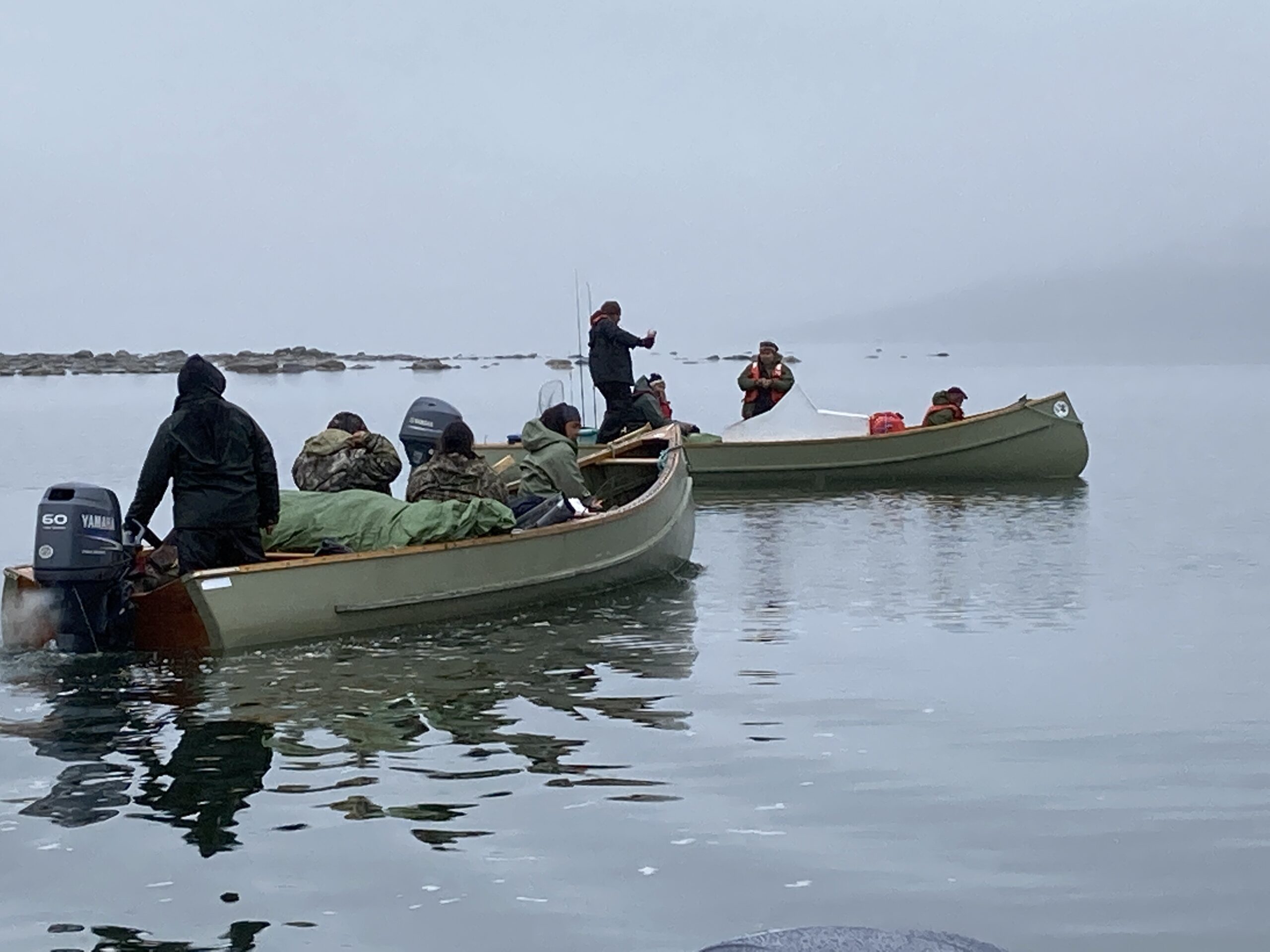 Nearly 30 years after the closure to harvesting, Inuit Knowledge (IK) however suggests that the beluga population may not have been unique to this Ungava Bay area, but rather a population stemming from the Hudson Strait. With the distinct need to better understand the recovery status of these whales and their movements, James May, president of the Nunavik Hunting, Fishing and Trapping Association (NHFTA)/Regional Nunavimmi Umajulirijiit Katujiqatigininga (RNUK)/Anguvigaq, expressed the necessity for more beluga research and monitoring to be conducted in Ungava Bay.
James consequently approached the Nunavik Marine Region Wildlife Board (NMRWB) with the idea to implement a camp dedicated to observing belugas. As a result, he and his colleagues at RNUK started Marralik-Ungunniavik, a free camp for Inuit youth from Kangiqsualujjuaq and Kuujjuaq, two communities located along the southern shore of Ungava Bay. This camp runs for 3 weeks in the month of July each year, during the time in which belugas are expected to be in Ungava Bay. Youths aged 13-17 are invited to spend one of the three weeks at camp, allowing for as many youths to attend as possible, as the interest from locals in attending is extremely high and capacity is limited. During their week at camp, the youth are surrounded by guides, assistant guides, cooks, Elders and researchers who all contribute to the learning initiative.
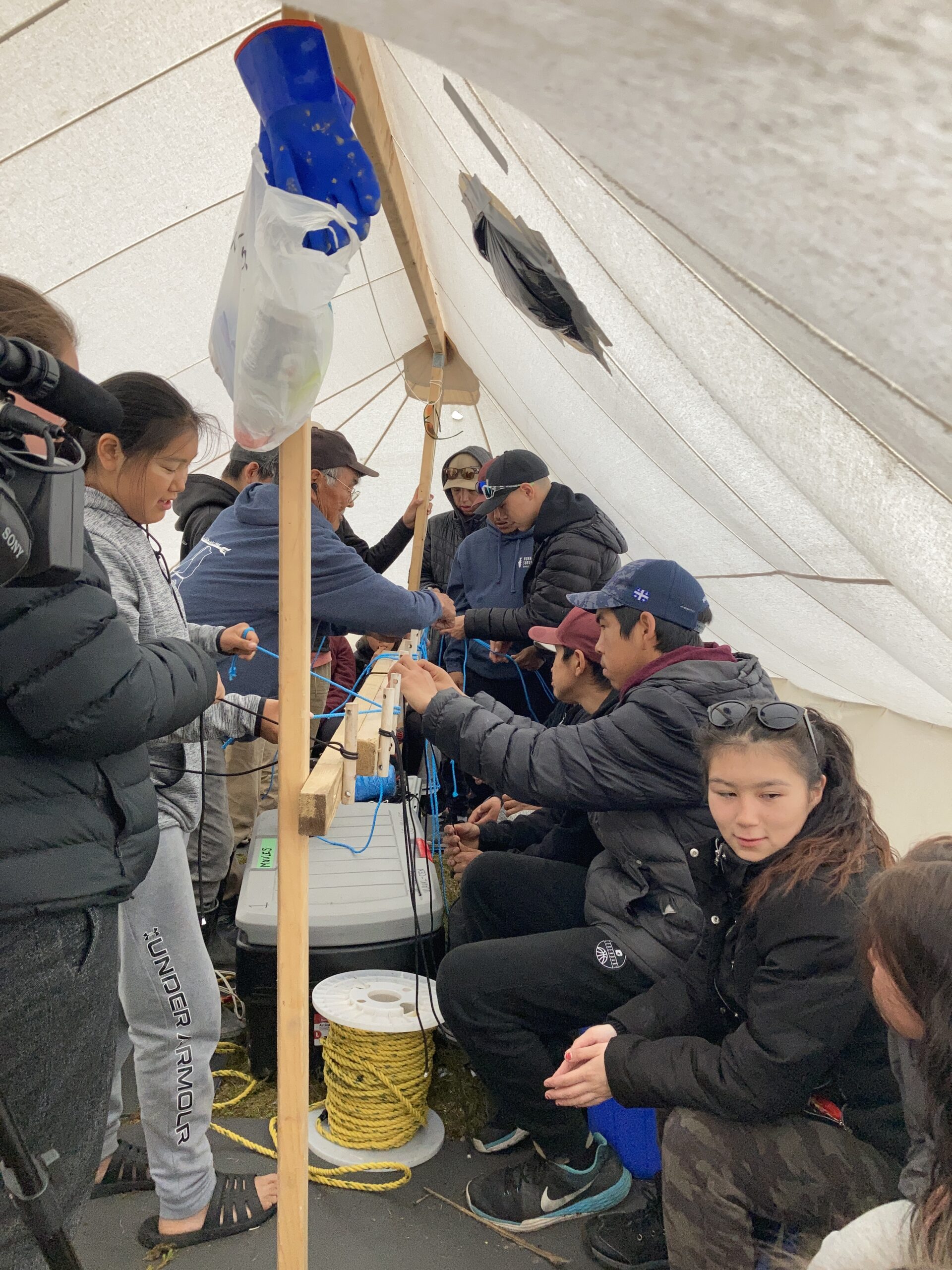 Since James’ original request for greater beluga monitoring, the camp has progressed in training Inuit youth in research to advance Inuit self-determination. The focus of this research centres around the belugas in Ungava Bay, making the camp a direct impact of James’ ArcticNet funded project on the monitoring of beluga movements “Marralik estuary beluga project”. Non-Inuk researchers, such as ArcticNet’s Co-Scientific Director Phillipe Archambault, have previously been invited to visit the camp to train Inuit youth on technical research skills, such as the use of hydrophones for acoustic monitoring. This sound-based technique is especially important as it allows the detection of belugas even in periods of heavy sea ice cover when it is difficult, and at times impossible, to visually detect these large marine mammals.
The purpose of Marralik-Ungunniavik is to harvest and to share IK with conducting and learning research skills as an additional benefit to attending the camp. Beyond building research skills, the camp presents a unique opportunity for youth to learn how to harvest belugas. Since the bay has been closed to beluga harvesting for almost 30 years, many youths have been deprived of the opportunity to harvest belugas. Fortunately, during the implementation of the camp, a new 5-year beluga management plan was being created. It was then approved that communities could submit a hunting plan to the Nunavik Marine Region Wildlife Board and the Department of Fisheries and Oceans Canada, allowing for a small hunt to take place. Beluga harvesting is extremely important to Nunavik Inuit, as beluga meat is a significant food source for families and communities. At camp, youth learn about harvesting, food preparation and butchering, and their first harpooning of a beluga or seal is a widely celebrated feat. Belugas are not the only species harvested from the bay either; Arctic char, kelp and geese are also opportune sources of food.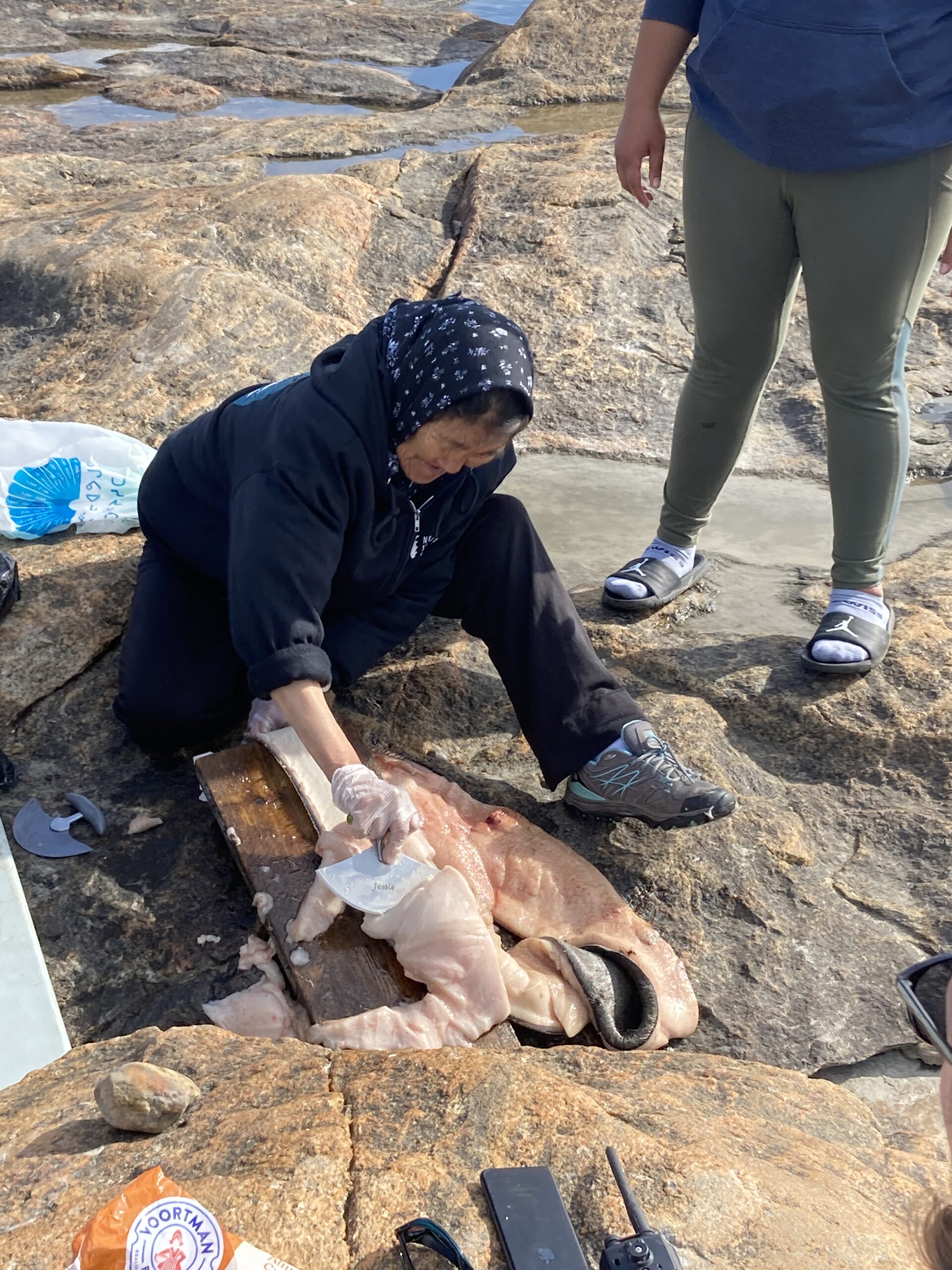
“The biggest focus is training Inuit so that Inuit can do the research. Whoever works with us needs to be on board with that and help to train and recognize that we are teaching different techniques and skills for more independent research.” -Mikhaela Neelin, NHFTA/RNUK/Anguviaq General Coordinator
Altogether, the camp creates a space to blend Inuit and scientific knowledge by bringing people together. The camp teaches Inuit youth, and anyone else involved, about how research works and why IK is important. Knowledge transfer occurs daily between youth, Elders, guides and researchers through workshops focusing on teaching important skills needed to conduct research in the Arctic, such as first aid training, kayaking, eDNA sampling, collecting observations, and much more. By focusing on youth training and involvement, this camp gives the opportunity for youth to continue sustainable beluga harvesting, to become able to independently contribute to research and to explore future career paths in science. A remarkable outcome of this was demonstrated at ArcticNet’s Annual Scientific Meeting (ASM) 2022, where high school student and Marralik-Ungunniavik attendee, Christina Uquutaq Lock, won the Inuit Poster Award sponsored by Inuit Tapiriit Kanatami (ITK), with her poster “Sharing Inuit and Scientific Knowledge to Promote Change in Wildlife Health and Management”, which she was able to create with the skills she learnt at the camp.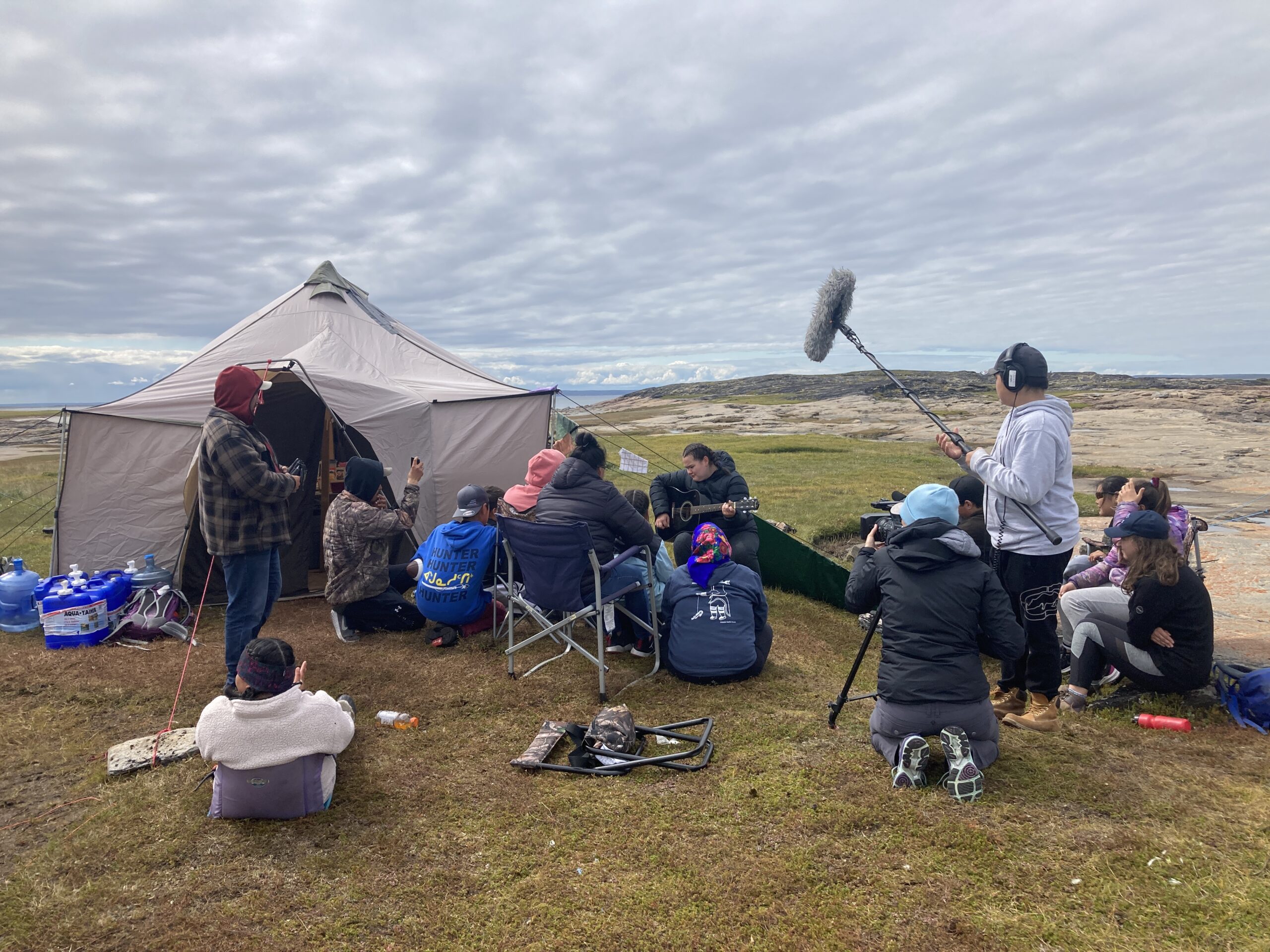
“I noticed working at RNUK that we see a lot of young kids wanting to be pilots, nurses, mechanics, etc., but there are almost no kids going to school to be biologists or anything like that. So, I thought it was really important to get kids interested in wildlife management and research because it’s a very important aspect to Inuit everyday life.” -James May, NHFTA/RNUK/Anguviaq President
At ArcticNet, we work together to involve Inuit in scientific processes, support Inuit self-determination in research and contribute to the training of the next generation of experts in Arctic research. Marralik-Ungunniavik is an exceptional demonstration of empowering Nunavik Inuit youth to protect their harvesting rights and learn to independently carry out research in tandem. Knowledge transfer and learning environments such as this one cannot be overlooked for their importance to science, and ArcticNet is immensely proud of this initiative and will continue supporting initiatives such as Marralik-Ungunniavik.
Author: Julia Macpherson, ArcticNet Science Communications Coordinator
Inuktitut Version
ᒪᕐᕋᓕᒃ-ᐅᖑᓐᓂᐊᕕᒃ: ᐊᑦᑕᑕᖅᓯᒪᓕᖅᑎᑦᓯᓂᖅ ᓄᓇᖃᖅᑳᖅᓯᒪᔪᐃᑦ ᖃᐅᔨᒪᔭᑐᖃᖏᓐᓄᑦ ᐊᒻᒪᓗ ᖃᐅᔨᓴᐃᓂᐅᕙᒃᑐᓄᑦ ᐱᓕᕆᔪᓐᓇᓕᖅᑎᑦᓯᒋᐊᖅᓱᒋᑦ ᒪᒃᑯᒃᑐᖏᑦ ᓄᓇᕕᖕᒥᐅᑦ
1986-ᒥ, ᐅᖓᕙ ᐸᐃ ᓯᕿᓂᖅᐸᓯᐊᑕ ᐃᓚᖓ (ᓄᓇᕕᒃ, ᑯᐃᐸᒃ) ᒪᑐᔭᐅᓯᒪᓕᓚᐅᕐᑐᖅ ᕿᓚᓗᒐᓂᒃ ᐊᖑᓇᓱᐊᖃᑦᑕᕐᓂᐅᔪᖅ ᐊᔾᔨᖃᕋᑎᒃ ᐊᒥᓲᓂᕆᕙᒃᑕᑐᖃᖏᓐᓄᑦ ᐅᑎᖅᑎᑕᐅᓯᒪᓕᕈᓐᓇᖁᓪᓗᒋᑦ ᕿᓚᓗᒐᐃᑦ ᐊᐅᔭᖅᓯᐅᐸᓐᓂᒥᓐᓂᑦ ᑕᐅᕙᓂ. 30-ᓗᐊᖑᓂᐊᓕᖅᐳᑦ ᒪᑐᔭᐅᓯᒪᓕᓚᐅᖅᓯᒪᓂᖓᑕ ᐊᖑᓇᓱᐊᖅᑕᐅᕙᓐᓂᖏᓐᓂᑦ, ᐃᓄᐃᑦ ᖃᐅᔨᒪᔭᑐᖃᖏᑦ (IK) ᒪᓕᒃᓗᒋᑦ ᑭᓯᐊᓂ ᓇᓗᓇᐃᖅᑕᐅᓯᒪᖅᑰᔨᓕᕐᒪᑦ ᕿᓚᓗᒐᐃᑦ ᐊᒥᓲᓂᕆᕙᒃᑕᖏᑦ ᐊᔾᔨᖃᕋᑎᒃ ᐅᑎᖅᓯᒪᓕᔾᔮᖖᒋᒻᒪᑕ ᑕᐅᕙᓃᑉᐸᖕᓂᖏᑦᓂ ᐅᖓᕙ ᑕᕆᐅᖓᑕ ᐊᕙᑎᒋᔭᖓᓃᑉᐸᒃᑐᓄᑦ, ᑭᓯᐊᓂᓕ ᐊᒥᓲᓂᕆᔭᖏᑦ ᑕᐃᒪᓐᓇ ᐊᒥᓱᖖᒍᖅᓯᒪᓕᖅᐸᒻᒪᑕ ᕿᑭᖅᑖᓘᑉ ᓄᓇᕕᐅᑉᓗ ᐃᑭᕋᓴᖓᓂᑦ ᑎᑭᓯᒪᓕᖅᐸᒻᒪᑕ. ᐊᔾᔨᖃᖖᒋᑦᑐᑎᒍᑦ ᐱᐅᓂᖅᓴᒥᒃ ᑐᑭᓯᔭᔭᐅᓯᒪᓕᕆᐊᖃᕐᓂᖏᑦ ᐊᒥᓲᓂᕆᕙᒃᑕᖏᓐᓄᑦ ᐅᑎᖅᓯᒪᓕᖅᑎᑕᐅᓂᖏᓐᓄᑦ ᖃᓄᐃᓕᖓᓕᖅᓯᒪᓂᐅᔪᑦ ᑕᒪᒃᑯᓄᖓ ᕿᓚᓗᒐᕐᓄᑦ ᐊᒻᒪᓗ ᓇᐅᒃᑰᖅᐸᒃᓱᑎᒃ ᐃᖏᕐᕋᕙᓐᓂᖏᓐᓄᑦ, ᔭᐃᒻᔅ ᒪᐃ, ᐊᖏᔪᖅᑳᕆᐅᔪᖅ ᓄᓇᕕᒃ ᐊᖑᓇᓱᒃᑏᑦ, ᐃᖃᓪᓕᕿᔩᑦ ᐊᒻᒪᓗ ᒥᑭᒋᐊᖅᑎᒃᑯᑦ ᑲᑐᔾᔨᖃᑎᒌᖏᓐᓄᑦ (NHFTA)/ᐊᕕᒃᑐᖅᓯᒪᓂᐅᔪᒥ ᓄᓇᕕᒻᒥ ᐆᒪᔪᓕᕆᔩᑦ ᑲᑐᔾᔨᖃᑎᒌᓐᓂᖓ (RNUK)/ᐊᖑᕕᒐᖅ, ᐅᖃᓚᐅᕐᑐᖅ ᕿᓚᓗᒐᐃᑦ ᖃᐅᔨᓴᖅᑕᐅᒃᑲᓐᓂᕆᐊᖃᕐᓂᖏᑕ ᐊᒻᒪᓗ ᓇᐅᑦᓯᖅᑐᒐᐅᓯᒪᓕᕐᓗᑎᒃ ᐅᖓᕙ ᐃᒪᖓᓂ.
ᔭᐃᒻᔅ ᑕᐃᒪᓗ ᐅᐸᒍᑎᓯᒪᓕᓚᐅᕐᑐᖅ ᓄᓇᕕᒃ ᑕᕆᐅᒥ ᐊᕕᒃᑐᖅᓯᒪᓂᖓᑕ ᐆᒪᔪᓕᕆᔨᒃᑯᑦ ᑲᑎᒪᔨᖏᓐᓄᑦ (NMRWB) ᓴᖅᑮᔭᖅᑐᕐᓱᓂ ᐊᑐᓕᖁᔨᓂᕐᒧᑦ ᓄᓇᓕᕋᓛᖃᓕᖅᑎᑦᓯᒋᐊᒥᒃ ᐱᓕᕆᐊᖏᑦ ᑐᕌᖓᓂᖃᖅᑎᑕᐅᓂᐊᕐᓗᑎᒃ ᑕᑯᓐᓇᖅᑎᐅᓂᐊᕐᓂᕐᒧᑦ ᕿᓚᓗᒐᕐᓂᒃ. ᑕᐃᒪᓗ, ᔭᐃᒻᔅ ᐊᒻᒪ ᐃᖅᑲᓇᐃᔭᖃᑎᒋᔭᖏᑦ RNUK-ᑯᓐᓂ ᐱᒋᐊᖅᑎᑦᓯᓯᒪᓕᓚᐅᖅᐳᑦ ᒪᕐᕋᓕᒃ-ᐅᖑᓐᓂᐊᕕᒃᑯᓐᓂᒃ, ᐊᑭᖃᖅᑎᑕᐅᓇᓂ ᓄᓇᓕᕋᓛᕆᔭᐅᓂᐊᖅᑐᒧᑦ ᒪᒃᑯᒃᑐᖏᓐᓄᑦ ᐃᓄᐃᑦ ᑲᖏᖅᓱᐊᓗᔾᔪᐊᕐᒥᑦ ᐊᒻᒪᓗ ᑰᔾᔪᐊᖅᒥᑦ, ᒪᕐᕉᓪᓗᑎᒃ ᓄᓇᓕᒋᔭᐅᔪᓐᓂᑦ ᓯᕿᓂᖅᐸᓯᐊᓂ ᑕᕆᐅᑉ ᓯᒡᔭᒋᔭᖓᓂᑦ ᐅᖓᕙ ᐸᐃ. ᑖᓐᓇ ᓄᓇᓕᕋᓛᕆᔭᐅᔪᖅ ᐊᐅᓚᑦᓂᖃᕐᕕᐅᕙᒃᑐᖅ ᐱᖓᓱᓄᑦ (3) ᐱᓇᓱᐊᕈᓯᕐᓄᑦ ᔪᓚᐃ ᑕᖅᑭᖓᓂ ᐅᑭᐅᑕᒫᑦ, ᕿᓚᓗᒐᐃᑦ ᑎᑭᓯᒪᓕᕐᓂᐊᕐᓂᖏᑕ ᐅᖓᕙ ᐸᐃᒧᑦ ᖃᐅᔨᒪᓇᖅᐸᒻᒪᑕ. ᒪᒃᑯᒃᑐᐃᑦ ᐅᑭᐅᖃᖅᑐᑦ 13-ᓂᑦ 17-ᓄᑦ ᐃᓚᐅᖃᑕᐅᖁᔭᐅᕙᒃᑐᑦ ᐊᑕᐃᓯᕐᒥᒃ ᐱᓇᓱᐊᕈᓯᕐᒥᒃ ᐱᖓᓱᓂᑦ ᐱᓇᓱᐊᕈᓯᕐᓄᑦ ᒪᑐᐃᖖᒐᑎᑕᐅᕙᓐᓂᖓᓂ ᓄᓇᓕᕋᓛᖑᔪᑉ, ᐊᒥᓱᓂᒃ ᑎᑭᓯᒪᖁᔨᕙᒃᑐᑦ ᒪᒃᑯᒃᑐᓂᒃ ᐱᔪᓐᓇᑐᐊᕌᖓᑕ, ᐱᔾᔪᑎᒋᓪᓗᒍ ᐃᓚᒋᔭᐅᖃᑕᐅᔪᒪᒻᒥᔪᑦ ᓄᓇᓕᐅᔪᓂᑦ ᖁᑦᑎᒃᑐᒻᒪᕆᐅᕙᒻᒪᑦ ᐊᒻᒪᓗ ᐃᓂᖃᖃᑕᐅᔪᓐᓇᕐᓂᖏᑦ ᑭᒡᓕᖃᖅᑎᑕᐅᓯᒪᕙᒻᒪᑦ. ᐱᓇᓱᐊᕈᓯᕐᒥ ᓄᓇᓕᕋᓛᒥᖃᑕᐅᓪᓗᑎᒃ, ᒪᒃᑯᒃᑐᐃᑦ ᑕᐅᕙᓃᖃᑎᖃᖅᐸᒃᑐᑦ ᐊᒃᔭᖅᑐᐃᔨᓂᒃ, ᐊᒃᔭᖅᑐᐃᔨᓄᑦ ᐃᑲᔪᖅᑎᐅᔪᓂᑦ, ᓂᕆᔭᒃᓴᓕᐅᖅᑎᓂᑦ, ᐃᓄᑐᖃᕐᓂᑦ ᐊᒻᒪᓗ ᖃᐅᔨᓴᖅᑎᒻᒪᕆᓐᓂᑦ ᐃᑲᔪᖅᑎᐅᓗᒃᑖᖅᐸᒃᑐᓂᑦ ᐃᓕᓐᓂᐊᕈᑎᖃᖅᑎᑕᐅᓂᖏᓐᓄᑦ.
ᑕᐃᒪᖖᒐᓂᑦ ᔭᐃᒻᔅ ᓯᕗᓪᓕᕐᒥᒃ ᐊᐱᕆᓚᐅᖅᓯᒪᑎᓪᓗᒍ ᕿᓚᓗᒐᐃᑦ ᓇᐅᑦᓯᖅᑐᒐᐅᓕᖁᓪᓗᒋᑦ, ᓄᓇᓕᕋᓛᒋᔭᐅᕙᒃᑐᒥ ᐱᓕᒻᒪᒃᓴᐃᓂᖃᖃᑦᑕᓕᖅᐳᑦ ᒪᒃᑯᒃᑐᖏᓂᒃ ᐃᓄᐃᑦ ᖃᐅᔨᓴᐃᓂᐅᕙᒃᑐᓂ ᓯᕗᒻᒧᒋᐊᖅᓯᒪᓕᖅᑎᑕᐅᓯᒪᓂᐊᓕᖅᓱᑎᒃ ᐃᓄᐃᑦ ᓇᖕᒥᓂᖅ ᐃᓱᒪᓕᐅᕈᑎᓕᐅᕈᓐᓇᕐᓂᖏᓐᓄᑦ. ᑕᕝᕙᓂ ᖃᐅᔨᓴᐃᓂᐅᔪᓂ ᑐᕌᖓᑎᑕᐅᖃᑦᑕᖅᐳᑦ ᕿᓚᓗᒐᖁᑎᐅᕙᒃᑐᓄᑦ ᐅᖓᕙ ᐸᐃᒥ, ᑕᐃᒪᓗ ᓄᓇᓕᕋᓛᖑᔪᖅ ᐊᒃᑐᐃᓯᒪᓕᕈᓐᓇᖅᓱᓂ ᔭᐃᒻᔅ ᐅᑭᐅᖅᑕᖅᑐᒥᒃ ᑐᑭᓯᓂᐊᖃᑎᒌᒃᑯᓐᓂᑦ ᑮᓇᐅᔭᖁᑎᑖᕈᓐᓇᓕᕐᓂᕐᒧᑦ ᐊᑐᖅᑕᐅᔪᒃᓴᓂᒃ ᐱᓕᕆᐊᖑᑲᐃᓐᓇᖅᑐᓄᑦ ᓇᐅᑦᓯᖅᑐᐃᕙᓐᓂᕐᒥᒃ ᕿᓚᓗᒐᐃᑦ ᐃᖏᕐᕋᕙᓐᓂᖏᓐᓄᑦ ᑕᐃᔭᓪᓗᓂ “ᒪᕐᕋᓕᖕᒥ ᕿᓚᓗᒐᓕᕆᓂᕐᒧᑦ ᐱᓕᕆᐊᖑᑲᐃᓐᓇᖅᑐᒥᒃ”. ᐃᓄᓪᓚᑦᑖᖑᖖᒋᑦᑐᑦ ᖃᐅᔨᓴᖅᑎᒻᒪᕆᐅᕙᒃᑐᑦ, ᓲᕐᓗ ᐅᑭᐅᖅᑕᖅᑐᒥᒃ ᑐᑭᓯᓂᐊᖃᑎᒌᒃᑯᑦ ᖃᐅᔨᓴᖅᑎᒻᒪᕆᓐᓂ ᐃᓱᒪᑕᕆᔭᐅᔪᖅ, ᐅᐸᒍᑎᖃᑕᐅᓯᒪᖁᔭᐅᓪᓗᓂ ᓄᓇᓕᕋᓛᒥ ᐊᐱᕆᔭᐅᓵᓚᐅᕐᒪᑦ ᐱᓕᒻᒪᒃᓴᐃᔨᐅᔪᓐᓇᕆᐊᖓᓄᑦ ᒪᒃᑯᒃᑐᖏᓂᒃ ᐃᓄᐃᑦ ᓴᓇᕐᕈᑎᑎᒍᑦ ᖃᐅᔨᓴᐃᓂᐅᕙᒃᑐᓄᑦ ᐊᔪᖖᒋᓐᓂᕆᔭᐅᓕᕈᓐᓇᖅᑐᓂᒃ, ᓲᕐᓗ ᐊᑐᖅᐸᒋᐊᒥᒃ ᐊᖅᑲᐅᒪᓪᓗᑎᒃ ᐃᒫᓂ ᐅᖄᓚᐅᑎᓂᒃ ᑐᓴᖅᓴᐅᓂᖏᑎᒍᑦ ᓇᐅᑦᓯᖅᑐᐃᕙᓐᓂᕐᓄᑦ. ᑕᒪᓐᓇ ᑐᓴᖅᓴᐅᓂᐅᕙᒃᑐᓄᑦ ᑐᖖᒐᕝᕕᖃᖅᑎᑕᐅᓪᓗᓂ ᐱᓕᕆᔾᔪᓯᐅᕙᒃᑐᖅ ᐱᓗᐊᖅᑐᒥᒃ ᐱᒻᒪᕆᐅᖃᑕᐅᓗᐊᕐᒪᑦ ᐱᔾᔪᑎᒋᓪᓗᒍ ᓇᓃᓕᕆᐊᖏᑕ ᕿᓚᓗᒐᐃᑦ ᓇᓗᓇᐃᖅᓯᔾᔪᑎᐅᔪᓐᓇᕐᒪᑕ ᐃᑉᔪᔪᐊᓘᒐᓗᐊᖅᐸᑦ ᓯᑯᓯᒪᓂᐅᔪᖅ ᐊᔪᖅᓇᓗᐊᖅᐸᒃᑎᓪᓗᒍ, ᐃᓛᓐᓂᒃᑯᓪᓗ ᐊᔪᕐᓇᓪᓚᑦᑖᖅᐸᒃᑎᓪᓗᒍ, ᑕᑯᔪᓐᓇᖅᐸᒋᐊᒥᒃ ᑕᒪᒃᑯᓂᖓ ᐊᖏᔪᐊᓘᓪᓗᑎᒃ ᐆᒪᔪᖁᑎᐅᔪᓂᒃ ᑕᕆᐅᒥ.
ᒪᕐᕋᓕᒃ-ᐅᖑᓐᓂᐊᕕᒃ ᐱᓕᕆᐊᖑᔪᒧᑦ ᐱᔾᔪᑎᖃᕐᒪᑕ ᐊᖑᓇᓱᐊᖃᑦᑕᕈᓐᓇᓕᕆᐊᒥᒃ ᐊᒻᒪᓗ ᐊᒥᖅᑲᕈᑎᖃᖃᑦᑕᕐᓗᑎᒃ ᐃᓄᐃᑦ ᖃᐅᔨᒪᔭᑐᖃᖏᓐᓂᒃ ᖃᐅᔨᓴᐃᓂᕐᓂᒃ ᐱᓕᕆᓂᖃᖅᑎᓪᓗᒋᑦ ᐊᒻᒪᓗ ᐃᓕᑦᓯᕙᓪᓕᐊᑎᑕᐅᓗᑎᒃ ᖃᐅᔨᓴᐃᓂᕐᒥ ᐊᔪᖖᒋᓐᓂᕆᔭᐅᔪᓂᒃ, ᓄᓇᓕᕋᓛᖑᔪᖅ ᒪᒃᑯᒃᑐᐃᑦ ᐃᓕᓐᓂᐊᕈᑎᖃᖅᑎᑕᐅᔪᓐᓇᕐᓂᖏᓂᒃ ᖃᓄᖅ ᕿᓚᓗᒐᐃᑦ ᐊᖑᓇᓱᐊᖅᑕᐅᕙᓐᓂᖏᑕ. ᐱᔾᔪᑎᒋᓪᓗᒍ ᑲᖏᖅᓱᐊᓂ ᕿᓚᓗᒐᕐᓂᒃ ᐊᖑᓇᓱᖃᑦᑕᕈᓐᓇᕐᓂᖅ ᒪᑐᔭᐅᓯᒪᓕᕐᓂᖓᑕ 30-ᓄᑦ ᐅᑭᐅᓪᓗᐊᓄᑦ, ᐊᒥᓱᑦ ᒪᒃᑯᒃᑐᐃᑦ ᕿᓚᓗᒐᕐᓂᒃ ᐊᖑᓇᓱᒍᓐᓇᖃᑦᑕᖅᓯᒪᖖᒋᒻᒪᑕ. ᖁᕕᐊᓇᖅᐳᕐᓗ, ᐊᑐᓕᖅᑎᑕᐅᕙᓪᓕᐊᑎᓪᓗᒍ ᓄᓇᓕᕋᓛᖑᔪᒥ ᐱᓕᕆᐊᖑᔪᖅ, ᓄᑖᖑᓪᓗᓂ ᐅᑭᐅᓄᑦ ᑕᓪᓕᒪᓄᑦ (5) ᕿᓚᓗᒐᕐᓂᒃ ᐊᐅᓚᑦᓯᓂᕐᒧᑦ ᐸᕐᓇᐅᑎᓂᒃ ᐋᖅᑭᒃᓱᐃᕙᓪᓕᐊᓕᓚᐅᕐᓯᒪᒻᒪᑕ. ᑕᐃᒪᐅᑎᓪᓗᒍᓗ ᓈᒻᒪᒋᔭᐅᓯᒪᓕᓚᐅᕐᐳᖅ ᓄᓇᓕᒋᔭᐅᔪᑦ ᑐᓂᓯᓯᒪᓕᕈᓐᓇᑎᑕᐅᓂᖏᓐᓂᒃ ᐊᖑᓇᓱᖃᑦᑕᕐᓂᕐᒧᑦ ᐸᕐᓇᐅᑎᓕᐊᒥᓐᓂᒃ ᓄᓇᕕᒃ ᑕᕆᐅᒥ ᐊᕕᒃᑐᖅᓯᒪᓂᖓᑕ ᐆᒪᔪᓕᕆᔨᒃᑯᑦ ᑲᑎᒪᔨᖏᓐᓄᑦ (NMRWB) ᐊᒻᒪᓗ ᐃᖃᓪᓕᕿᔨᒃᑯᑦ ᐊᒻᒪᓗ ᐃᒪᕐᒥᐅᑕᓕᕆᔨᒃᑯᓐᓄᑦ ᑲᓇᑕᒥ, ᐊᒥᓲᖖᒋᑦᑐᓂᒃ ᐊᖑᓇᓱᐊᕈᓐᓇᖅᑎᑕᐅᒋᐊᒥᓐᓄᑦ. ᕿᓚᓗᒐᕐᓂᒃ ᐊᖑᓇᓱᐊᖅᐸᓐᓂᑦ ᐊᖏᔪᒻᒪᕆᖕᒥᒃ ᐱᒻᒪᕆᐅᑎᑕᐅᒻᒪᑦ ᓄᓇᕕᒃᒥᐅᑦ ᐃᓄᖏᓐᓄᑦ, ᐱᔾᔪᑎᒋᓪᓗᒍ ᕿᓚᓗᒐᐃᑦ ᓂᕿᖓ ᓇᓗᓇᐃᑦᑐᒻᒪᕆᖕᒥᒃ ᓂᕿᒃᓴᕆᔭᐅᕙᓐᓂᖓᑕ ᐃᓚᒌᖑᔪᓄᑦ ᐊᒻᒪᓗ ᓄᓇᖅᑲᑎᒌᖑᔪᓄᑦ. ᓄᓇᓕᕋᓛᒦᑦᓱᑎᒃ, ᒪᒃᑯᒃᑐᐃᑦ ᐃᓕᓐᓂᐊᖅᑎᑕᐅᕙᒃᑐᑦ ᐊᖑᓇᓱᐊᖅᐸᓐᓂᕐᒧᑦ, ᓂᕆᔭᒃᓴᐅᓂᐊᖅᑐᓕᕆᓂᕐᒧᑦ ᐊᒻᒪᓗ ᓂᕿᓕᕆᕙᓐᓂᕐᒧᑦ, ᐊᒻᒪᓗ ᓯᕗᓪᓕᖅᐹᖅᓯᐅᑎᒋᓪᓗᒍ ᓇᐅᓪᓚᒋᐊᖅᐸᓐᓂᕐᒥᒃ ᕿᓚᓗᒐᕐᒥᒃ ᓇᑦᑎᕐᒥᒃᓘᓐᓃᑦ ᖁᕕᐊᒋᔭᐅᓗᐊᖅᐸᒃᑐᖅ. ᕿᓚᓗᒐᐃᑦ ᑖᒃᑯᑐᐊᖑᓪᓗᒋᑦ ᐊᖑᓇᓱᐊᖅᑕᐅᕙᖖᒋᑦᑐᑦ ᑲᖏᖅᓱᕐᒥ, ᐃᖃᓗᒃᐱᖕᓂᒃ ᐃᖃᓪᓕᕿᕙᒻᒥᔪᑦ, ᑯᐊᓐᓂᕐᓂᒃ ᑲᑎᖅᓱᐃᕙᒃᑐᑦ ᐊᒻᒪᓗ ᓂᕐᓕᖅᓯᐅᖅᑎᑕᐅᕙᒃᑭᓪᓗᑎᒃ ᓂᕿᒋᔭᐅᔪᒃᓴᓂᒃ.
“ᐱᓗᐊᕐᓂᖅᓴᐅᓪᓗᒍ ᑐᕌᖓᓂᖃᖅᑎᑦᑎᕙᒃᑐᑦ ᐱᓕᒻᒪᒃᓴᐃᓯᒪᓕᕆᐊᒥᒃ ᐃᓄᖕᓂᒃ ᐃᓄᐃᑦ ᖃᐅᔨᓴᐃᓂᐅᕙᒃᑐᓄᑦ ᐱᓕᕆᔨᐅᕙᓕᕈᓐᓇᖁᓪᓗᒋᑦ. ᑭᒃᑯᑐᐃᓐᓇᐃᑦ ᐅᕙᑦᑎᓐᓂᒃ ᐱᓕᕆᖃᑎᖃᕐᓂᐊᕐᑐᑦ ᑕᒪᒃᑯᓂᖓ ᐱᓕᕆᔪᓐᓇᕆᐊᖃᖅᑎᑕᐅᕙᒃᑐᑦ ᐊᒻᒪᓗ ᐃᑲᔪᕈᓐᓇᕐᓗᑎᒃ ᐱᓕᒻᒪᒃᓴᐃᓂᐅᕙᒃᑐᓄᑦ ᐊᒻᒪᓗ ᐃᓕᑕᖅᓯᓯᒪᓗᑎᒃ ᐃᓕᓐᓂᐊᖅᑎᑦᑎᓂᖃᖅᐸᓐᓂᑦᑎᓐᓂᒃ ᐊᔾᔨᒌᖖᒋᐅᖅᑐᓂᒃ ᐱᓕᕆᔾᔪᓯᐅᕙᒃᑐᓂᒃ ᐊᒻᒪᓗ ᐊᔪᖖᒋᓐᓂᕆᔭᐅᕙᒃᑐᓄᑦ ᐊᖏᓂᖅᓴᒥᒃ ᐃᓛᒃᑰᖓᓗᑎᒃ ᖃᐅᔨᓴᐃᔪᓐᓇᓕᖅᑎᑕᐅᖁᓪᓗᒋᑦ.” ᒥᑮᓚ ᓃᓕᓐ, NHFTA-ᑯᓐᓂ/RNUK-ᑯᓐᓂ/ᐊᖑᕕᐊᖅ ᐋᖅᑭᒃᓱᐃᔨᖓᑦ
ᑕᒪᕐᒥᐅᑎᓪᓗᒋᑦ, ᓄᓇᓕᕋᓛᖃᕐᕕᐅᔪᖅ ᐃᓂᖃᕈᓐᓇᖅᑎᑦᑎᕗᖅ ᑲᑎᑕᐅᓯᒪᓕᕈᓐᓇᖅᓱᒋᑦ ᐃᓄᐃᑦ ᐊᒻᒪᓗ ᖃᐅᔨᓴᖅᑎᒻᒪᕆᐅᔪᓂᑦ ᖃᐅᔨᒪᔭᕆᔭᐅᔪᓂᒃ ᑲᑎᖖᒐᑎᑦᑎᓯᒪᓕᖅᐸᖕᓂᒃᑯᑦ ᑕᒪᐃᓐᓂᒃ. ᓄᓇᓕᕋᓛᒥ ᐃᓕᓐᓂᐊᖅᑎᑦᑎᕙᒃᑐᑦ ᒪᒃᑯᒃᑐᖏᓂᒃ ᐃᓄᐃᑦ, ᐊᒻᒪᓗ ᑭᒃᑯᑐᐃᓐᓇᓂᒃ ᐃᓚᒋᔭᐅᖃᑕᐅᔪᓂᒃ, ᑐᕌᖓᑎᑕᐅᓯᒪᔪᓄᑦ ᖃᓄᖅ ᖃᐅᔨᓴᐃᓂᖃᕐᓗᑎᒃ ᐱᓕᕆᓂᖃᖅᐸᒋᐊᖏᓐᓄᑦ ᐊᒻᒪᓗ ᖃᓄᐃᒻᒪᑦ ᐃᓄᐃᑦ ᖃᐅᔨᒪᔭᑐᖃᕆᔭᖏᑦ ᐱᒻᒪᕆᐅᓗᐊᕐᒪᖔᑕ. ᖃᐅᑕᒫᑦ ᖃᐅᔨᒪᓂᐅᔪᓂᒃ ᑐᓂᓯᓯᒪᓕᕆᐊᕐᓂᕐᒥᒃ ᐱᓕᕆᓂᖃᖅᐸᒃᑐᑦ ᒪᒃᑯᒃᑐᐃᑦ, ᐃᓄᑐᖃᕆᔭᐅᔪᐃᑦ, ᐊᒃᔭᖅᑐᐃᔩᑦ ᐊᒻᒪᓗ ᖃᐅᔨᓴᖅᑎᒻᒪᕆᐅᔪᐃᑦ ᑲᑎᖕᒪᓂᖃᖅᓱᑎᒃ ᐱᓕᒻᒪᒃᓴᐃᓂᖃᖅᐸᖕᓂᖅᑎᒍᑦ ᑐᕌᖓᑎᑕᐅᓯᒪᔪᓂᒃ ᐃᓕᓐᓂᐊᖅᑎᑦᑎᕙᓪᓕᐊᓂᕐᒥᒃ ᐱᒻᒪᕆᐅᑎᐅᓪᓗᑎᒃ ᐊᔪᖖᒋᓐᓂᕆᔭᐅᔭᕆᐊᓕᖕᓂᒃ ᖃᐅᔨᓴᐃᓂᖃᕐᓂᐊᕐᓗᑎᒃ ᐅᑭᐅᖅᑕᖅᑐᒥ, ᓲᕐᓗ ᐋᓐᓂᖅᑐᖃᕋᔭᖅᐸᑦ ᐃᓅᓕᓴᐅᑎᓂᒃ ᐱᓕᒻᒪᒃᓴᐃᓂᐅᕙᒃᑐᓂᒃ, ᐅᐊᔭᒨᖅᑐᑎᒍᑦ ᓇᑭᖖᒑᖅᓯᒪᓂᐅᔪᓂᒃ ᖃᐅᔨᓴᒐᒃᓴᓕᕆᓂᕐᓄᑦ, ᑲᑎᖅᓱᐃᕙᓐᓂᕐᓄᑦ ᑕᑯᓐᓇᒐᐅᕙᒃᑐᓂᒃ, ᐊᒻᒪᓗ ᐊᒥᓱᑲᓪᓚᒻᒪᕆᐅᔪᓄᑦ ᐱᔾᔪᑎᖃᖅᑐᓂᒃ. ᑐᕌᖓᑎᑕᐅᓯᒪᑎᓪᓗᒋᑦ ᒪᒃᑯᒃᑐᐃᑦ ᐱᓕᒻᒪᒃᓴᔭᐅᕙᓐᓂᖏᓐᓄᑦ ᐊᒻᒪᓗ ᐱᓕᕆᐊᖃᖃᑕᐅᕙᓐᓂᖏᓐᓄᑦ, ᓄᓇᓕᕋᓛᒦᓪᑎᒃ ᒪᒃᑯᒃᑐᐃᑦ ᑲᔪᓯᑎᑦᑎᔪᓐᓇᖅᓯᑎᑕᐅᕙᒻᒪᑕ ᕿᓚᓗᒐᕐᓂᒃ ᐊᖑᓇᓱᐊᖅᐸᓐᓂᐅᔪᓂᒃ, ᐃᓛᒃᑰᖓᓗᑎᒃᓗ ᐃᑲᔪᖃᑕᐅᔪᓐᓇᓕᕆᐊᒥᒃ ᖃᐅᔨᓴᐃᓂᐅᕙᒃᑐᓄᑦ ᐊᒻᒪᓗ ᓇᓂᓯᓯᒪᓕᕈᑎᒋᓂᐊᕐᓗᒋᑦ ᓯᕗᓂᕐᒥ ᐃᖅᑲᓇᐃᔮᕆᓕᕈᓐᓇᖅᑕᒥᓐᓂᒃ ᖃᐅᔨᓴᐃᕙᓐᓂᓕᕆᓂᕐᓄᑦ ᐱᔾᔪᑎᖃᖅᑐᓂᒃ. ᐅᐱᓐᓇᖅᑐᒻᒪᕆᐅᓪᓗᓂ ᑕᒪᑐᒧᖓ ᖃᓄᐃᓕᖓᓕᕐᓂᐅᔪᖅ ᓇᓗᓇᐃᔭᖅᑕᐅᓚᕐᑐᖅ ᐅᑭᐅᖅᑕᖅᑐᒥᒃ ᑐᑭᓯᓂᐊᖃᑎᒌᒃᑯᑦ ᐅᑭᐅᑕᒫᑦ ᓱᓇᑐᐃᓐᓇᓂᒃ ᑲᑎᒪᓂᖃᖅᑎᓪᓗᒋᑦ (ASM) 2022-ᒥ, ᑕᐃᑲᓂ ᖁᑦᑎᖕᓂᖅᓴᓄᑦ ᐃᓕᓐᓂᐊᕈᑎᖃᖅᑐᖅ ᐊᒻᒪᓗ ᐃᓚᒋᔭᐅᖃᑕᐅᓪᓗᓂ ᒪᕐᕋᓕᒃ-ᐅᖑᓐᓂᐊᕕᒃᒥ, ᑯᕆᔅᑏᓇ ᐅᖂᑕᖅ ᓛᒃ, ᓵᓚᒃᐅᑎᑖᕈᑎᖃᓚᐅᕐᒪᑦ ᐃᓄᐃᑦ ᑐᓴᐅᒪᓕᖅᑎᑦᑎᒋᐊᕈᑎᓄᑦ ᐃᓕᑕᕆᔭᐅᔾᔪᑎᖓᓂᒃ ᐃᑲᔪᖅᑕᐅᓯᒪᓪᓗᑎᒃ ᑮᓇᐅᔭᑎᒍᑦ ᐃᓄᐃᑦ ᑕᐱᕇᒃᑯᓐᓄᑦ ᑲᓇᑕᒥ (ITK), ᑐᓴᐅᒪᓕᖅᑎᑦᑎᒋᐊᕈᑎᓕᐊᖏᑦ ᑕᐃᔭᐅᓪᓗᑎᒃ “ᐊᒥᖅᑲᕈᑎᖃᕐᓂᖅ ᐃᓄᐃᑦ ᐊᒻᒪᓗ ᖃᐅᔨᓴᖅᑎᒻᒪᕇᑦ ᖃᐅᔨᒪᔭᑐᖃᕆᔭᖏᓐᓂᒃ ᖁᕝᕙᖅᑎᑦᑎᒋᐊᕈᑎᐅᓂᐊᕐᓗᑎᒃ ᐊᓯᔾᔩᓯᒪᓕᕐᓂᕐᓂᒃ ᐆᒪᔪᖁᑎᐅᔪᑦ ᖃᓄᐃᖖᒋᑦᓯᐊᖅᑎᑕᐅᓂᖏᓂᒃ ᐊᒻᒪᓗ ᐊᐅᓚᑦᓯᓂᐅᔪᓄᑦ”, ᐋᖅᑭᒃᓱᐊᕆᔪᓐᓇᖅᓯᓚᐅᖅᑕᒥᓄᑦ ᐃᓕᓯᒪᓕᖅᑕᒥᓂᑦ ᓄᓇᓕᕋᓛᒦᖃᑕᐅᓪᓗᓂ.
“ᐃᖅᑲᓇᐃᔭᖅᑎᐅᓪᓗᖓ ᐊᕕᒃᑐᖅᓯᒪᓂᐅᔪᒥ ᓄᓇᕕᒻᒥ ᐆᒪᔪᓕᕆᔩᑦ ᑲᑐᔾᔨᖃᑎᒌᖏᓐᓂ (RNUK) ᐅᔾᔨᕈᓱᓕᓚᐅᕐᕋᒪ ᐊᒥᓱᑲᓪᓚᐃᑦ ᓱᕈᓰᑦ ᐱᕈᕈᑎᒃ ᖃᖓᑕᓲᖅᑎᐅᓕᕈᒪᓂᖏᓂᒃ, ᓇᔭᖖᒍᐊᖑᓕᕈᒪᓂᖏᓐᓂᒃ, ᐃᑯᒪᓕᕆᔨᐅᔪᒪᓂᖏᓐᓂᒃ, ᐊᓯᖏᓂᒃᓗ, ᑭᓯᐊᓂᓗ ᐱᑕᖃᓗᐊᓚᐅᖖᒋᒻᒪᑦ ᓱᕈᓯᕐᓂᒃ ᐆᒪᔪᓕᕆᓂᕐᒥ ᖃᐅᔨᓴᖅᑎᐅᓕᕈᒪᔪᓂᒃ ᐅᕝᕙᓘᓐᓃᑦ ᐊᓯᖏᓂᒃ. ᑕᐃᒪᓕ, ᐃᓱᒪᓕᓚᐅᖅᑐᖓ ᐱᒻᒪᕆᐅᓗᐊᕐᒪᑦ ᓱᕈᓰᑦ ᐃᓕᓯᒪᓕᕈᒪᔭᕆᐊᖃᕐᓂᖏᑦ ᐆᒪᔪᓕᕆᓂᕐᒥ ᐊᐅᓚᑦᓯᓂᐅᕙᒃᑐᓄᑦ ᐊᒻᒪᓗ ᖃᐅᔨᓴᐃᓂᐅᕙᒃᑐᓄᑦ ᐱᔾᔪᑎᒋᓪᓗᒍ ᐃᓚᒋᔭᐅᖃᑕᐅᓂᖓᑕ ᐱᒻᒪᕆᐅᑎᐅᓪᓗᓂ ᐃᓄᐃᑦ ᖃᐅᑕᒫᑦ ᐃᓅᓯᖏᓐᓄᑦ.” -ᔭᐃᒻᔅ ᒪᐃ, NHFTA-ᑯᓐᓄᑦ/RNUK-ᑯᓐᓄᑦ/ᐊᖑᕕᐊᖅ ᐊᖏᔪᖅᑳᕆᔭᐅᔪᖅ
ᐅᑭᐅᖅᑕᖅᑐᒥᒃ ᑐᑭᓯᓂᐊᖃᑎᒌᒃᑯᓐᓂ, ᐱᓕᕆᖃᑎᒌᒃᐸᒃᑲᑦᑕ ᐃᓚᐅᖃᑕᐅᑎᑦᑎᕙᒃᓱᑕ ᐃᓄᖕᓂᒃ ᖃᐅᔨᓴᖅᑎᒻᒪᕆᐅᔪᓂ ᐱᓕᕆᐊᖑᕙᓪᓕᐊᕙᒃᑐᓄᑦ, ᐃᑲᔪᖅᑐᐃᓪᓗᑕ ᐃᓄᐃᑦ ᓇᖕᒥᓂᖅ ᐃᓱᒪᓕᐅᕈᑎᓕᐅᕈᓐᓇᕐᓂᖏᓂᒃ ᖃᐅᔨᓴᐃᓂᐅᕙᒃᑐᓄᑦ ᐊᒻᒪᓗ ᐃᑲᔪᖃᑕᐅᕙᒃᓗᑎᒃ ᐱᓕᒻᒪᒃᓴᐃᓂᐅᕙᒃᑐᓄᑦ ᓯᕗᓂᕐᒥ ᖃᐅᔨᒪᔨᒻᒪᕆᐅᓕᕈᒫᖅᑐᓂᒃ ᐅᑭᐅᖅᑕᖅᑐᒥ ᖃᐅᔨᓴᐃᓂᐅᕙᒃᑐᓄᑦ. ᒪᕐᕋᓕᒃ-ᐅᖑᓐᓂᐊᕕᒃ ᐊᔾᔨᖃᕋᓂ ᓇᓗᓇᐃᖅᓯᔾᔪᑎᐅᓯᒪᕗᖅ ᐱᓕᕆᐊᖃᖅᑎᑦᑎᓕᕈᓐᓇᕐᓂᕐᒥᒃ ᓄᓇᕕᒃᒥ ᒪᒃᑯᒃᑐᖏᓂᒃ ᐃᓄᐃᑦ ᒥᐊᓂᕆᔭᐅᓯᒪᓕᖁᓪᓗᒋᑦ ᐊᖑᓇᓱᐊᕈᓐᓇᕐᓂᕐᒥᒃ ᐱᔪᓐᓇᐅᑎᒋᔭᒥᓐᓂᒃ ᐊᒻᒪᓗ ᐃᓕᓐᓂᐊᕈᑎᖃᖅᓯᒪᓕᕐᓂᕐᓄᑦ ᐃᓛᒃᑰᖓᓗᑎᒃ ᖃᐅᔨᓴᐃᓂᐅᕙᒃᑐᓄᑦ ᐱᓕᕆᓂᐅᕙᒃᑐᓂᒃ. ᖃᐅᔨᒪᓂᕆᔭᐅᔪᓂᒃ ᑐᓂᓯᓯᒪᓕᖅᐸᓐᓂᐅᔪᑦ ᐊᒻᒪᓗ ᐃᓕᓐᓂᐊᕈᑎᖃᖅᑎᑦᑎᓂᐅᕙᒃᑐᑦ ᓲᕐᓗ ᑖᔅᓱᒪᓂ ᐃᓚᒋᔭᐅᖃᑕᐅᑎᑕᐅᕙᒋᐊᖃᕐᒪᑕ ᐱᒻᒪᕆᐅᖃᑕᐅᑎᓪᓗᒋᑦ ᖃᐅᔨᓴᐃᓂᐅᕙᒃᑐᓄᑦ ᓱᓇᑐᐃᓐᓇᓂᒃ, ᐊᒻᒪᓗ ᐅᑭᐅᖅᑕᖅᑐᒥᒃ ᑐᑭᓯᓂᐊᖃᑎᒌᒃᑯᑦ ᐊᖏᔪᒻᒪᕆᖕᒥ ᓴᕆᒪᒋᔭᖃᕐᒪᑕ ᑐᒪᑐᒥᖓ ᐱᓕᕆᐊᖑᓕᖅᑐᒥᒃ ᐊᒻᒪᓗ ᑲᔪᓯᑎᑦᑎᓯᒪᓂᐊᖅᐳᑦ ᐱᓕᕆᐊᖑᓕᖅᓯᒪᔪᓂᒃ ᓲᕐᓗ ᒪᕐᕋᓕᒃ-ᐅᖑᓐᓂᐊᕕᒃᒥᒃ.